Traditional Chinese Dragon Embroidery Design Review
If you're prepping your craft fair booth with a mix of handmade products, the Traditional Chinese Dragon embroidery design is one that stands out from the crowd. As an experienced embroidery designer, I've seen countless motifs come and go, but this one has the potential to elevate your offerings with a blend of cultural richness and visual impact. Let’s dive into how this design could work across different items, what it brings to your small shop product lineup, and what you need to consider before production.
A Bold and Festive First Impression
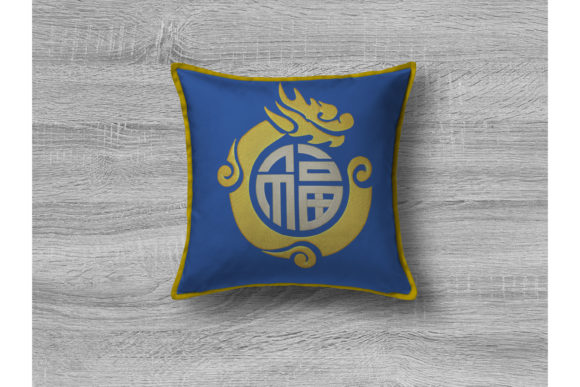
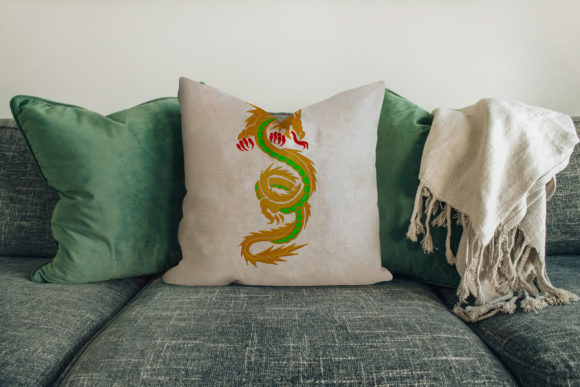
The Traditional Chinese Dragon immediately commands attention. Unlike minimalist or soft designs that blend into the background, this motif exudes strength, tradition, and celebration. Its presence feels elegant yet bold, making it perfect for customers who want something eye-catching and meaningful. The description mentions it's suitable for pillows, t-shirts, and sweatshirts — all popular items at craft fairs and handmade markets. However, its adaptability goes beyond these basics.
When displayed on a tote bag or apron, the dragon can transform into a symbol of protection or prosperity, depending on how you market it. On tea towels or fabric pouches, it adds a touch of festive charm without being overwhelming. It's not a subtle pattern — it's meant to be noticed, which is a huge plus in a competitive marketplace.
Performance on Craft Fair Products
Let’s break down how the Traditional Chinese Dragon performs across various craft fair products:
- Tote Bags: This design shines as a central feature on large cotton or linen totes. The scale allows for intricate details to be visible while maintaining clarity. It works especially well on light-colored backgrounds where thread contrast is clear.
- Aprons: A stylized version of the dragon near the waistband or lower pocket area can add flair without hindering functionality. Make sure to avoid placing it too close to seams or closures.
- Tea Towels: The dragon’s dynamic shape fits beautifully on kitchen textiles. The embroidered texture contrasts nicely with smooth cotton surfaces, enhancing the handmade quality.
- Caps and Patches: Here, the design needs careful scaling. A smaller version might lose some detail, so test it first. For patches, it can serve as a premium embroidered patch for denim jackets or backpacks.
- Fabric Pouches and Pillow Covers: These are ideal canvases for showcasing the full size and complexity of the dragon. Pillow covers, in particular, benefit from the design’s symmetry and balance when viewed from both sides.
- Market Bags: If you're targeting eco-conscious shoppers, using the Traditional Chinese Dragon on reusable bags can make them conversation starters. Opt for a high-contrast thread color to ensure visibility during browsing.
- Etsy Listings and Digital Embroidery Files: As a digital file available in six sizes, it gives you flexibility for multiple product types. High-quality printable mockups will help buyers visualize the finished product, which is crucial for online sales.
Practical Selling and Production Insights
From a practical standpoint, the Traditional Chinese Dragon is versatile but requires thoughtful planning to maximize its appeal and usability. Here are key considerations for selling and producing it effectively:
Visibility and At-a-Glance Appeal
One of the biggest strengths of this design is its ability to capture attention quickly. Whether it’s a tote bag on your table or a pillow cover hanging from a rack, the dragon’s flowing form and likely vibrant thread colors draw the eye. That makes it a great focal point for your booth display.
Size Versatility and Repeatable Use
Available in six sizes, this design offers flexibility. You can use a small version as an accent on a cap or pouch, or let it dominate a larger piece like a sweatshirt or wall hanging. Just remember: tiny details may not render clearly in the smallest sizes. Always test the design on scrap fabric to see how each variation holds up.
Photography and Online Sales
For Etsy sellers or those preparing printable mockups, the dragon’s bold nature translates well to photos. Capture it under natural lighting to highlight stitch density and thread shine. Dark fabrics may mute the effect, so experimenting with several fabric textures and colors is recommended. Also, check how the design looks from the side — depth and stitch count can affect the final photo composition.
Batch Production Feasibility
This design appears structured enough for batch production. While intricate, it doesn’t seem overly complex if the stitching is consistent and spacing is logical. To streamline output, confirm the hoop size requirements and plan your stabilizer accordingly. Dense stitch areas might require more time and care, but they also suggest a premium finish that justifies higher pricing.
Design Application Tips for Maximum Impact
To truly harness the potential of the Traditional Chinese Dragon, here are a few tips based on my experience:
- Test on Multiple Fabrics: Try the design on cotton, linen, and even stretchy blends to see how it reacts. Textured materials like canvas or felt can enhance the look but may require additional stabilizing.
- Review Thread Contrast: Especially for dark fabrics, choose thread colors that pop. Some variations might include metallic threads for added dimension, but confirm their compatibility with your machine and fabric choice.
- Inspect Stitch Density: Dense areas may cause puckering or distortion. Adjust your tension settings and use a tear-away or cut-away stabilizer depending on the fabric thickness.
- Create a Mockup: Before listing it online or displaying it at a fair, create a real-world sample. A mockup helps you assess whether the design feels cohesive with your brand and booth aesthetic.
- Confirm Licensing: Since it's a digital embroidery file, always verify the commercial license terms. You don't want to invest in production only to find out later it's not permitted for resale.
What Customers Might Notice
At a glance, customers will likely notice the dragon’s movement and symbolism. In many cultures, dragons represent power, wisdom, and good fortune — a narrative you can lean into for your handmade gifts and promotional copy. Pairing it with other traditional symbols or using it on gift boxes and tags can enhance its storytelling aspect and boost customer engagement.
Its decorative nature also complements seasonal themes, such as Lunar New Year, making it a valuable addition to your inventory year-round. When placed on a booth sample, it can spark interest and prompt conversations — a win for any craft fair seller.
Where It Fits Best
While the Traditional Chinese Dragon is adaptable, it excels on products that allow for generous space and clear visibility:
- Pillow Covers: Ideal for showing off the design from both front and back. Add a coordinating button or border to tie it into a cohesive house décor collection.
- Tote Bags: Perfect for everyday carry and gifting. Choose sturdy cotton or twill for durability and visual weight.
- Embroidered Patches: Great for customization. Attach them to denim, leather, or even backpacks for a unique statement piece.
- Tea Towels: Adds a decorative yet functional item to your line. Consider packaging it as part of a “feng shui kitchen set” for thematic appeal.
Handmade Quality and Brand Consistency
Using the Traditional Chinese Dragon consistently across your product line can reinforce your brand identity as someone who values cultural artistry and bold design choices. Its presence should feel intentional — whether it’s a standalone feature or part of a curated collection of machine embroidery designs inspired by global traditions.
Visually, the design elevates the perceived value of your small shop product. Because it’s detailed and symbolic, it can justify a price point higher than simpler motifs. But remember, the quality of execution matters most. Ensure every finished product reflects clean lines, balanced proportions, and professional stitching.
Booth Display Strength and Buyer Engagement
When setting up your craft fair booth, the Traditional Chinese Dragon can become a signature element. Hang embroidered pillow covers as banners, showcase tote bags with dragon motifs prominently displayed, or offer custom embroidered caps as impulse buys. Its strong visual language invites curiosity and encourages interaction, both in person and through photos on your Etsy listings.
Consider creating a themed section around the dragon — maybe pairing it with red or gold accents, or offering matching accessories like keychains or ornamented gift boxes. This approach turns individual products into a compelling story, increasing the chances of a sale.
Final Designer Notes
Before moving forward with mass production or adding the Traditional Chinese Dragon to your commercial embroidery catalog, take these steps:
- Test the design on various hoop sizes and fabric types.
- Compare thread color options against different fabric colors.
- Check for any lettering or tiny elements that may distort at smaller scales.
- Use appropriate stabilizers to prevent warping or shifting during stitching.
- Make sure the design assets are scalable and compatible with your software.
- Create a real-life sample to evaluate the handmade quality and adjust as needed.
- Verify the licensing agreement supports your intended use (resale, wholesale, etc.).
With these precautions in place, the Traditional Chinese Dragon can become a standout item in your embroidery business, resonating with both casual shoppers and collectors of cultural designs. It's not just about what looks good — it's about what sells, what lasts, and what tells a story. And this design does all three.