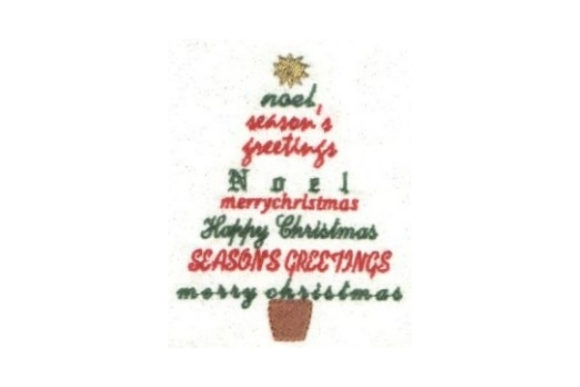
Greetings Tree Embroidery Design Review for Craft Fair Success
As an experienced embroidery designer, I’m always on the lookout for designs that stand out in a crowded craft fair or handmade market. When I first saw Greetings Tree, it immediately caught my eye with its festive and versatile appeal. This machine embroidery design has the potential to elevate a variety of products, but how well does it perform in real-world applications? Let’s dive into the details from a practical and sales-focused perspective.
First Impressions: Festive and Handmade Friendly
The name “Greetings Tree” already sets a warm, holiday tone—perfect for the Christmas season. Based on the description, this design seems like a classic winter scene reimagined for modern machine embroidery. It likely features a stylized tree with perhaps some lettering or decorative elements that make it feel both welcoming and elegant. The vibe is cozy, not too kitschy, which gives it broad appeal across different customer tastes. Whether you're aiming for a farmhouse look or something more premium, Greetings Tree could fit either style depending on how it's applied.
Where Greetings Tree Shines in Product Applications
This design works best when given room to breathe. On larger items like tote bags and aprons, it can serve as a strong focal point. For smaller products such as embroidered patches or fabric pouches, it may need careful scaling to maintain clarity and visual impact.
- Tote Bag Design: A medium-sized Greetings Tree on a natural linen tote would make a statement without overwhelming the piece. Its charm lies in subtlety, so placing it off-center adds visual interest.
- Apron Embroidery: If the design includes any text, positioning it near the pocket or lower corner ensures readability while keeping the focus on functionality.
- Tea Towel Embroidery: The design should be sized just right—large enough to be noticeable but not so dense that it becomes stiff or hard to wash over time.
- Embroidered Patch: Ideal for adding a pop of holiday cheer to denim jackets or gift bags. Just be mindful of stitch density and thread contrast for durability and visibility.
- Fabric Pouch & Pillow Covers: These are great canvases for Greetings Tree, especially if your booth targets home decor lovers. The soft textures of these items complement the design’s aesthetic beautifully.
Design Practicality for Production and Sales
One of the key factors in choosing an embroidery design for commercial use is how easy it is to produce consistently. Greetings Tree appears promising in this regard, but there are nuances to consider before batch production.
- Readability at a Glance: If the design includes small lettering or intricate details, test it on multiple fabric types and colors to ensure it remains legible and attractive.
- Scalability: Does it work as a large focal design or a small accent? You’ll want to try both approaches to see what resonates most with your audience.
- Photography Appeal: The design needs to photograph well. Soft, muted thread colors might struggle online unless the lighting and backdrop highlight them effectively.
- Batch Repetition: Since the design comes with multiple file formats, it should be repeatable across various hoop sizes and product types. Always confirm spacing and alignment settings to avoid inconsistencies.
Handmade Quality and Customer Engagement
At a weekend craft fair, customers often judge a product by sight alone. Greetings Tree offers a fresh take on holiday motifs that can help your booth stand out. Its clean lines and thoughtful layout suggest a high level of craftsmanship, which is essential for Etsy sellers and boutique makers who rely on perceived quality.
When paired with premium fabrics or natural fibers, the design enhances the overall handmade product value. Customers will notice the attention to detail, especially if you pair it with a cohesive color scheme and complementary stitching techniques.
Careful Use Notes for Optimal Results
To get the most out of Greetings Tree, keep the following in mind during production:
- Dense Stitch Areas: Avoid using it on thick or textured fabrics unless you’re prepared to adjust the stitch count and tension accordingly.
- Tiny Details: If the design contains fine lines or delicate flourishes, they may become lost on dark-colored materials or stretchy knits. Always do a test run on scrap fabric before committing to a full order.
- Small Lettering: If the design includes holiday greetings or names, double-check the font size and style. Smaller text can easily lose definition if not stitched precisely.
- Curved Surfaces: For caps or curved surfaces, review the file for distortion and consider adjusting the placement or resizing for better results.
- Dark Fabric: Thread contrast is critical. If the design is light-colored, it may not show up well on black or navy backgrounds. Test with alternative thread palettes.
- Size Limitations: Designs that look stunning on a digital preview might appear flat or unclear when reduced in size. Be sure to create at least one real mockup to assess scale and depth.
Booth Display and Brand Consistency
When setting up your booth, consistency is key. If you’re selling multiple items with Greetings Tree, ensure the design is used in a uniform way—same thread colors, same placement, same hoop settings. This helps reinforce brand recognition and makes your collection look professionally curated.
Use printable mockups to showcase the design on different products. These visuals are crucial for Etsy sellers looking to build compelling listings. A clear image of the design on a tea towel or pillow cover can significantly increase buyer confidence and conversion rates.
Designer Tips Before Production Begins
Before turning Greetings Tree into a craft fair product, follow these steps to ensure top-notch results:
- Test on Scrap Fabric: Try the design on different materials to understand how it reacts to tension and texture.
- Check Thread Contrast: Especially important for dark or busy fabrics. Choose thread colors that pop without being garish.
- Review Spacing: Make sure the design doesn’t overlap other elements and fits within the intended area cleanly.
- Confirm Hoop Size: Even though the design supports multiple file formats, each format likely requires specific hoop dimensions. Don’t assume—it pays to verify.
- Inspect Stitch Density: Dense areas may require additional stabilizer to prevent puckering or distortion.
- Create Real Mockups: Seeing the design in person gives you insight into how it looks and feels after stitching. It also helps determine pricing and presentation.
- Compare Fabric Colors: Some thread combinations work better on certain fabrics. Test variations to find the most visually appealing option.
- Commercial Licensing: Confirm whether the digital embroidery file allows for resale of finished products. This is non-negotiable for anyone planning to sell commercial embroidery items.
Final Thoughts on Market Readiness
Greetings Tree has the makings of a standout design for the holiday season. It brings a touch of elegance and warmth that aligns perfectly with the spirit of Christmas crafts. As a professional, I recommend using it on high-quality, soft-textured items where it can truly shine—like tote bags, aprons, and pillow covers.
For small shop product creators, the design’s versatility means you can apply it across several item types without losing visual cohesion. Just remember to tailor the thread colors and placement to match your brand identity and target market.
If you're preparing for a holiday craft fair, this design could give your booth that extra spark of seasonal charm. But don’t rush into mass production. Take the time to test, tweak, and present it in a way that highlights its best qualities. With the right approach, Greetings Tree can become a valuable part of your design assets and a favorite among your customers.